
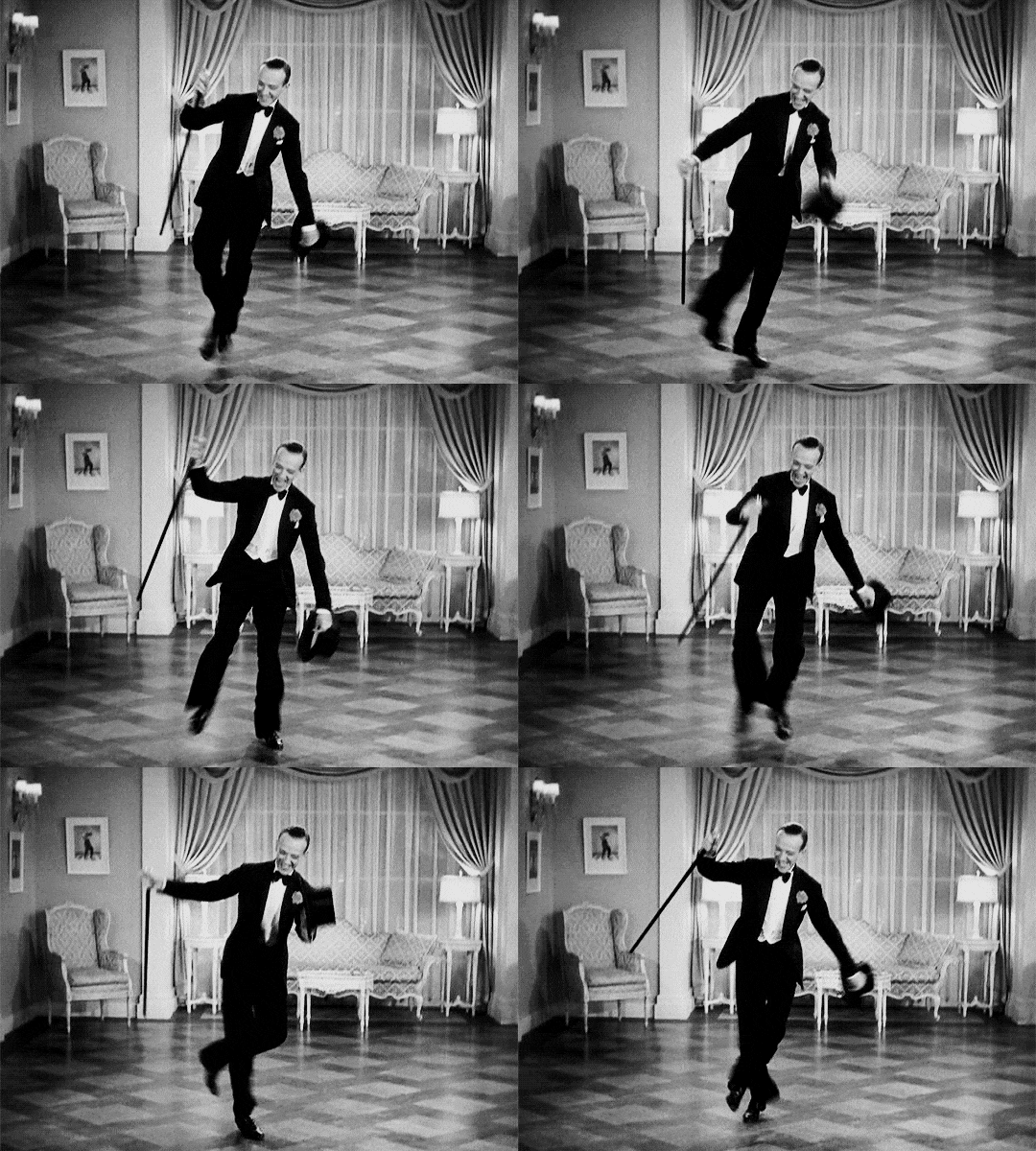
The History of Tap Dance: From African-American Roots to Its Great Masters
The History of tap dance
Tap dance is a complex art form — at once a dance and a percussion instrument. Its history, equally complex, mirrors three centuries of American social and cultural evolution. This dance is known as Claquettes in France, Tip Tap in Italy, Sapateado in Brazil, chechyotka in Russia… An endless array of local names that must never overshadow the African-American roots of tap dance and its anchor in blues and swing culture.
Of this complex art form, what we mostly know are the golden-age Hollywood musicals — embodied by iconic figures like Fred Astaire, Gene Kelly, Ginger Rogers and Eleanor Powell — and far less the other "treasures" carried by the true pioneers of the form: Bill Robinson, John Bubbles, the Nicholas Brothers, Gregory Hines, Savion Glover…
From the days of Congo Square in New Orleans, to the first "challenges" between African and Irish dancers in the Five Points of New York; through the Minstrel Shows, the spotlights of Hollywood and Broadway, all the way to today's tap festivals — tap dance is the fruit of a long, rich history that we're about to tell you.
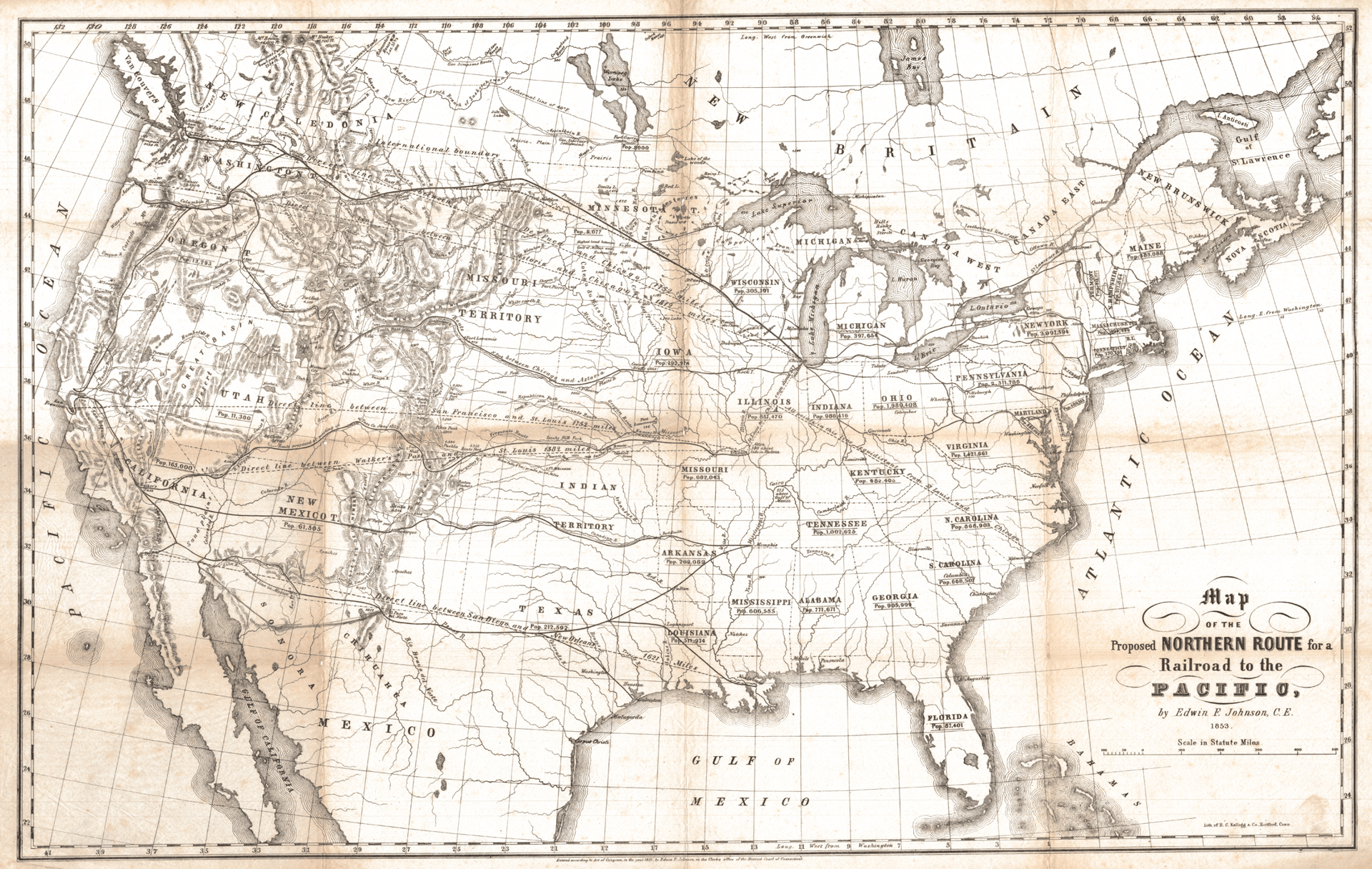
Origins — Cultural Roots (17th–19th Century)
Tap dance (claquettes in French) is an art form born from the blending of African and European music and dance. This cultural mixing dates back as far as the 17th century — before the United States even existed — to the era when Africans were forcibly brought to North America and enslaved.
The American South, where the plantations were located, was the epicenter of this cultural blend. Mississippi was the cradle of the Blues. New Orleans became the birthplace of Jazz. Jazz and Blues — whether combined or separate — became the bedrock of American music, from which every other American genre would emerge: swing, boogie-woogie, big band, rock 'n' roll, rockabilly, country, R&B, disco, soul, funk, punk rock, heavy metal, hip-hop… and countless other genres drawing their roots from this cultural mixing.
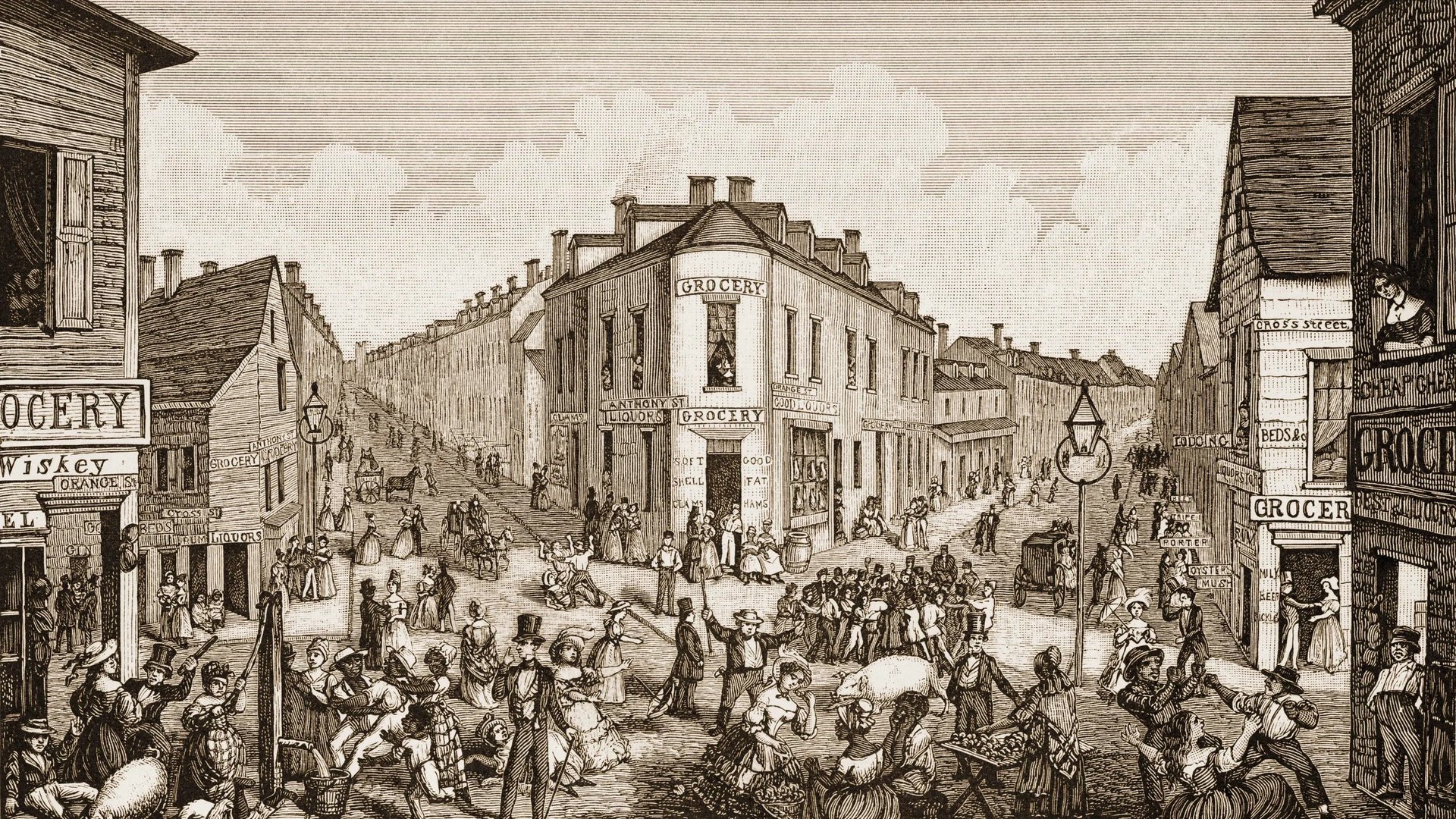
Another major site of this cultural blend was the Five Points District, a slum neighborhood of New York. In this shantytown, free Black people lived alongside impoverished Irish immigrants who had arrived en masse in the mid-19th century to escape the Great Famine. The neighborhood was also known for its many "Concert Saloons" and "Honky Tonks" (illicit bars), where people could be entertained by music and dance.
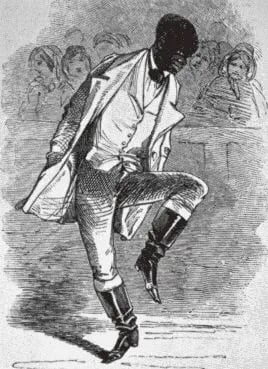
It was here, in the 1840s, that William Henry Lane — a free-born Black man — skillfully mixed elements of African rhythm and Irish dance (the jig and the reel). Lane became a star attraction, even earning the admiration of the great writer Charles Dickens during a tour of England, in which Lane had the unique privilege of participating as an African-American performer. Today, specialists consider William Henry Lane — better known by his stage name Master Juba — as the father of tap dance. Descriptions of his dances in newspapers of the time suggest an unprecedented and sophisticated foot-percussion style, using different angles and movements drawn from both African dance and the Irish jig. Tap dance was born.
Five Points and the Birth of Tap — William Henry Lane
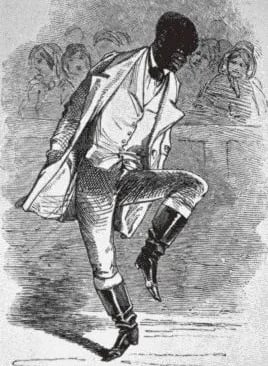
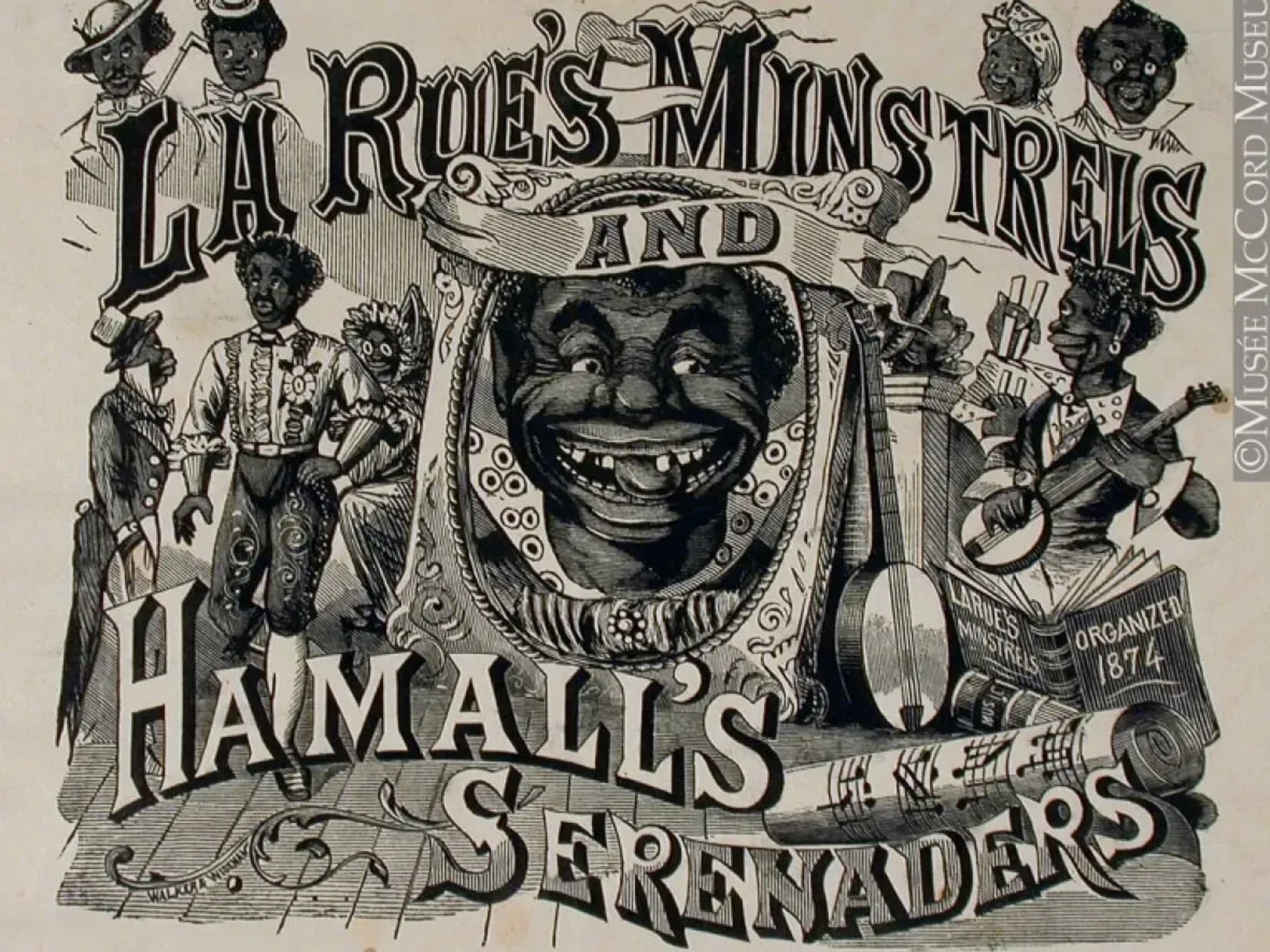
Un autre lieu majeur de ce brassage culturel est le Five Points District, un quartier des bas-fonds de New York. Dans ce bidonville, les Noirs libres côtoyaient la misère des immigrés irlandais, arrivés en masse au milieu du XIXème siècle pour fuir la grande famine. Ce quartier était aussi connu pour ses nombreux « Concert Saloons » et autres « Honky Tonk » (bars interlopes), où l’on pouvait se distraire aux rythmes de la musique et de la danse.
C’est ici, dans les années 1840, que William Henry Lane, un Noir né libre, mixe habilement des éléments de rythmes africains et de danse irlandaise (la jig et le reel). Williams Henry Lane devint une attraction vedette, suscitant même l’admiration du grand écrivain Charles Dickens, lors d’une tournée en Angleterre à laquelle Henry Lane eu l’unique privilège de participer en tant que performer afro-américain. Les spécialistes considèrent aujourd'hui William Henry Lane, connu sous le nom de Master Juba, comme le père du Tap Dance. Les descriptions de ses danses dans les journaux semblent, en effet, témoigner d’un jeu inédit et sophistiqué de percussion des pieds, utilisant différents angles et mouvements issus à la fois de la danse Africaine et du jig irlandais. Le Tap Dance était né.
Au pays des Minstrels Shows
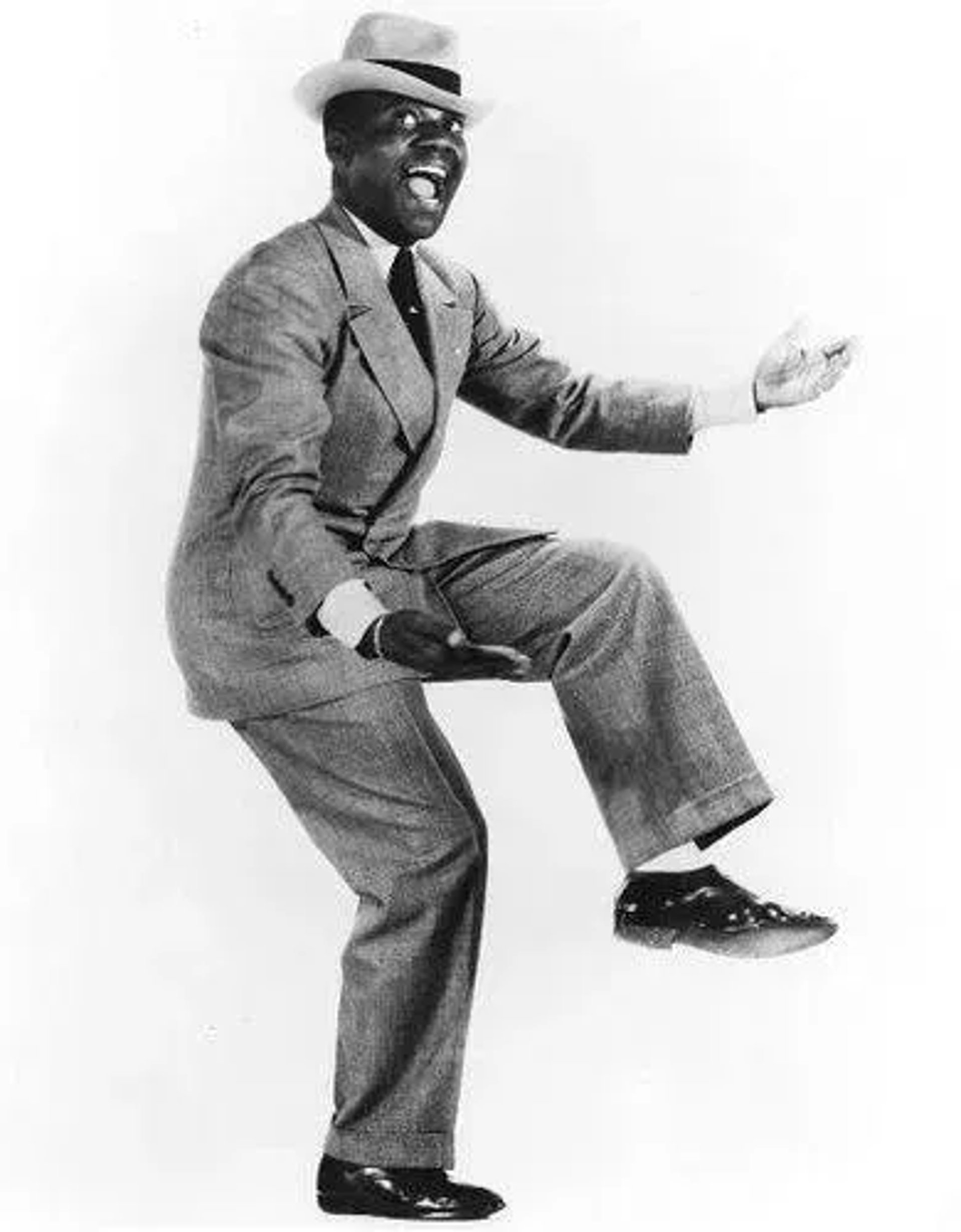
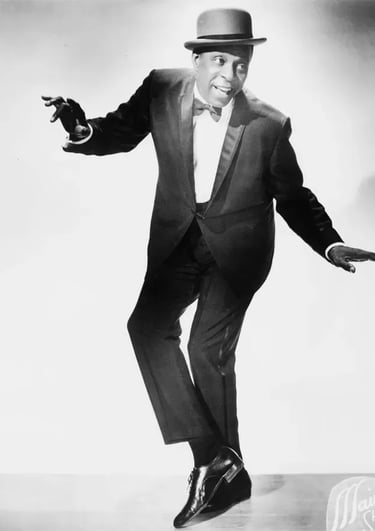
In the early 1900s, Bill "Bojangles" Robinson became the star of vaudeville. His triumph was such that in 1915 he performed solo on stage in Chicago, breaking the ban that prevented Black artists from performing alone. Few Black artists reached the heights of fame Robinson achieved as a star of vaudeville, Broadway and cinema. Robinson fought against racism throughout his career, breaking the "two-color rule" in vaudeville and later dancing with Shirley Temple in Hollywood — an image many Americans were not yet ready to accept in a country still gripped by racism and segregation.
Robinson greatly influenced the evolution of tap by creating a technique based on the balls of the feet. His approach to dance and his swing shaped the art of tap in a lasting way — just as Louis Armstrong's playing shaped the history of jazz.
Vaudeville Star — Bill "Bojangles" Robinson


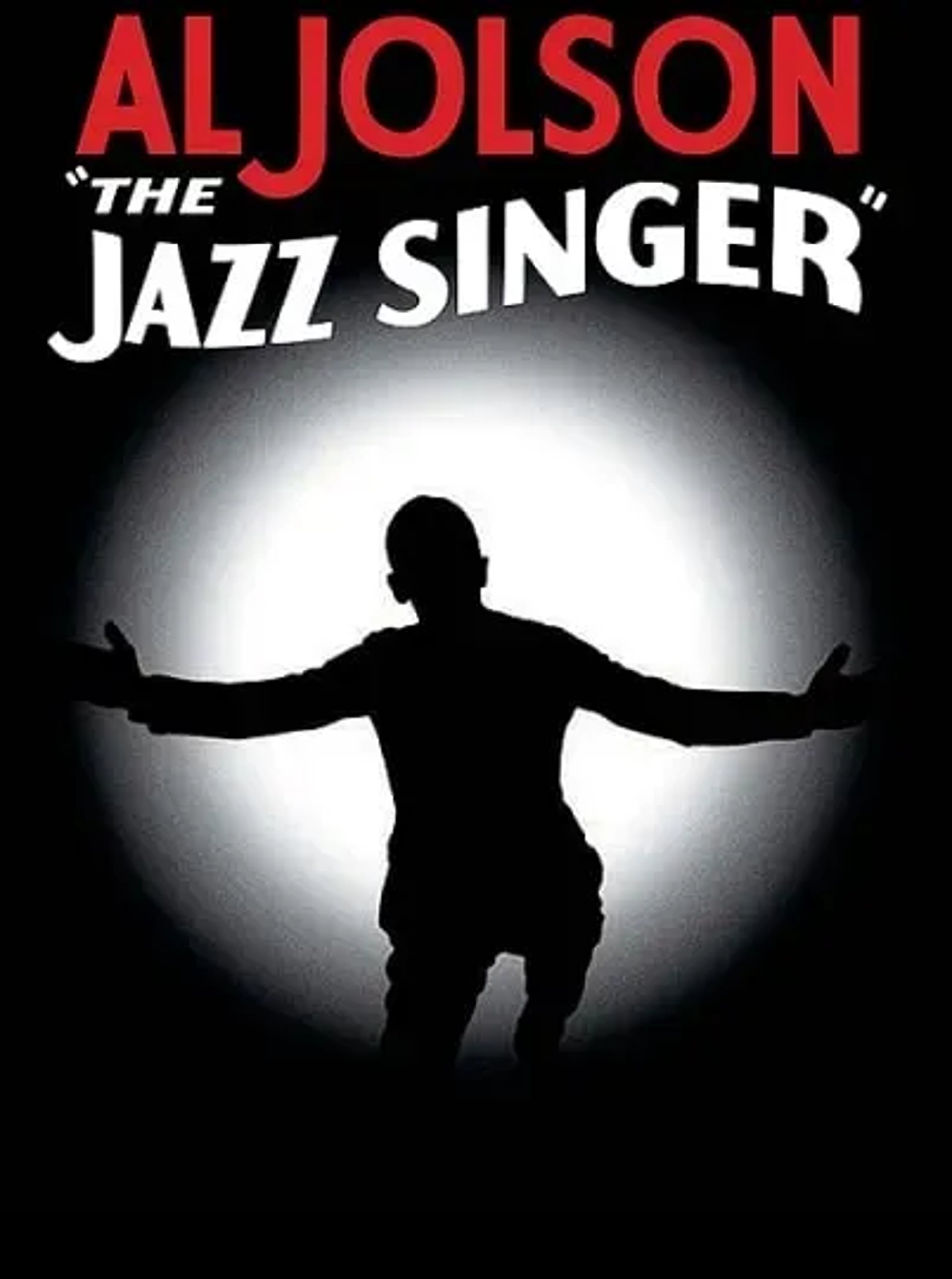
In 1928, the first feature film with synchronized sound — The Jazz Singer — was released in the United States. It was an immediate hit, and audiences couldn't get enough. This new form of entertainment sounded the death knell for vaudeville, which could not withstand the pull of talking pictures. Many vaudeville artists were absorbed by the film industry, which was desperately seeking skilled performers. European audiences know the famous film Singin' in the Rain (1952), starring Gene Kelly, which vividly depicts this chaotic transition from vaudeville to the talkies.
From Vaudeville to Cinema — The Jazz Singer (1928)

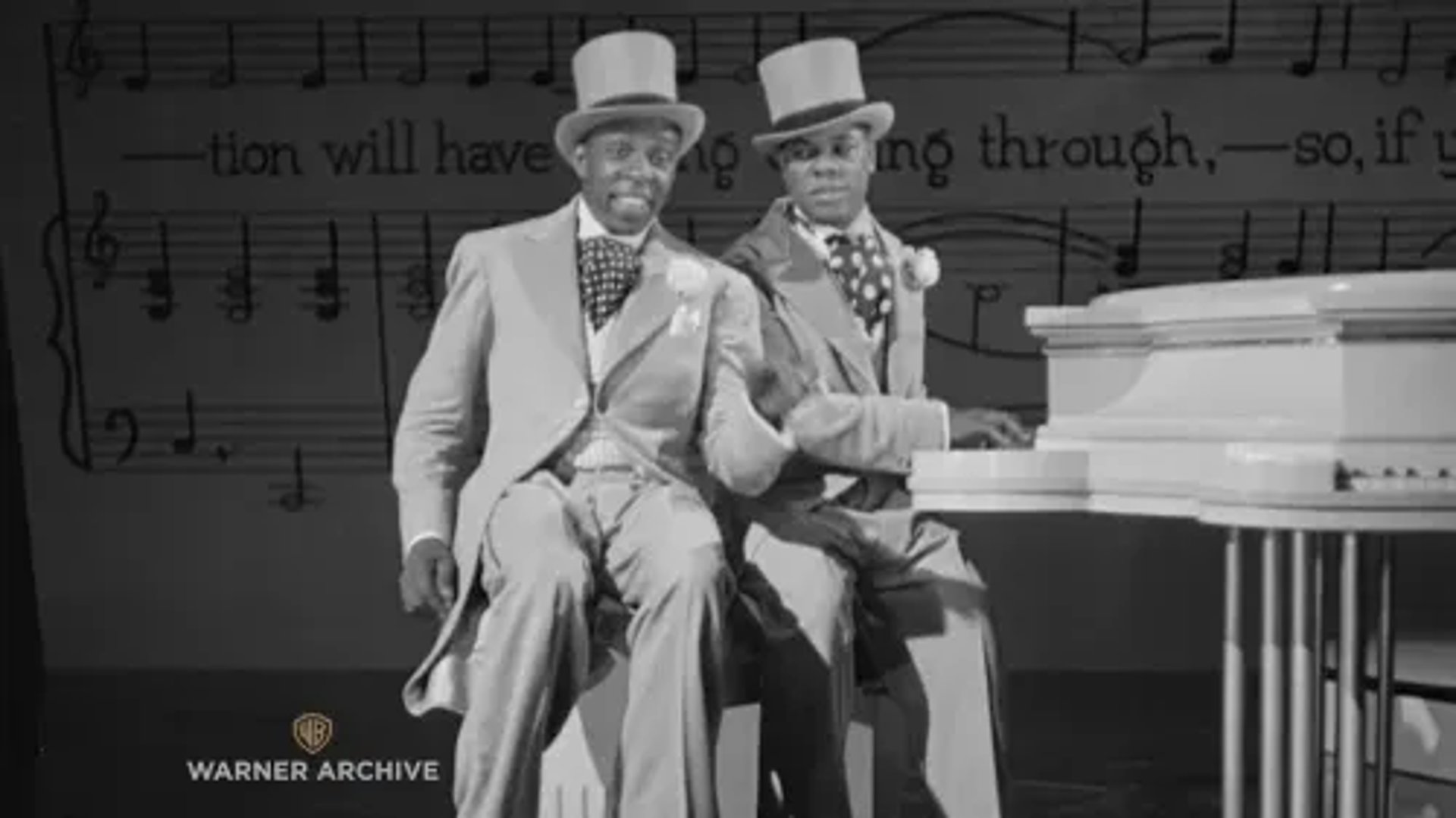
In the 1930s, John Bubbles came onto the scene and forever transformed tap dance. He created a new way of dancing — with complex rhythms, more sounds within the beat, fewer repetitions and greater improvisation. Most tap dancers today still practice this style, invented by the charismatic Bubbles nearly a century ago. John Bubbles remains a legend in the tap community and is known as the father of Rhythm Tap.
The Rhythm Revolution — John Bubbles

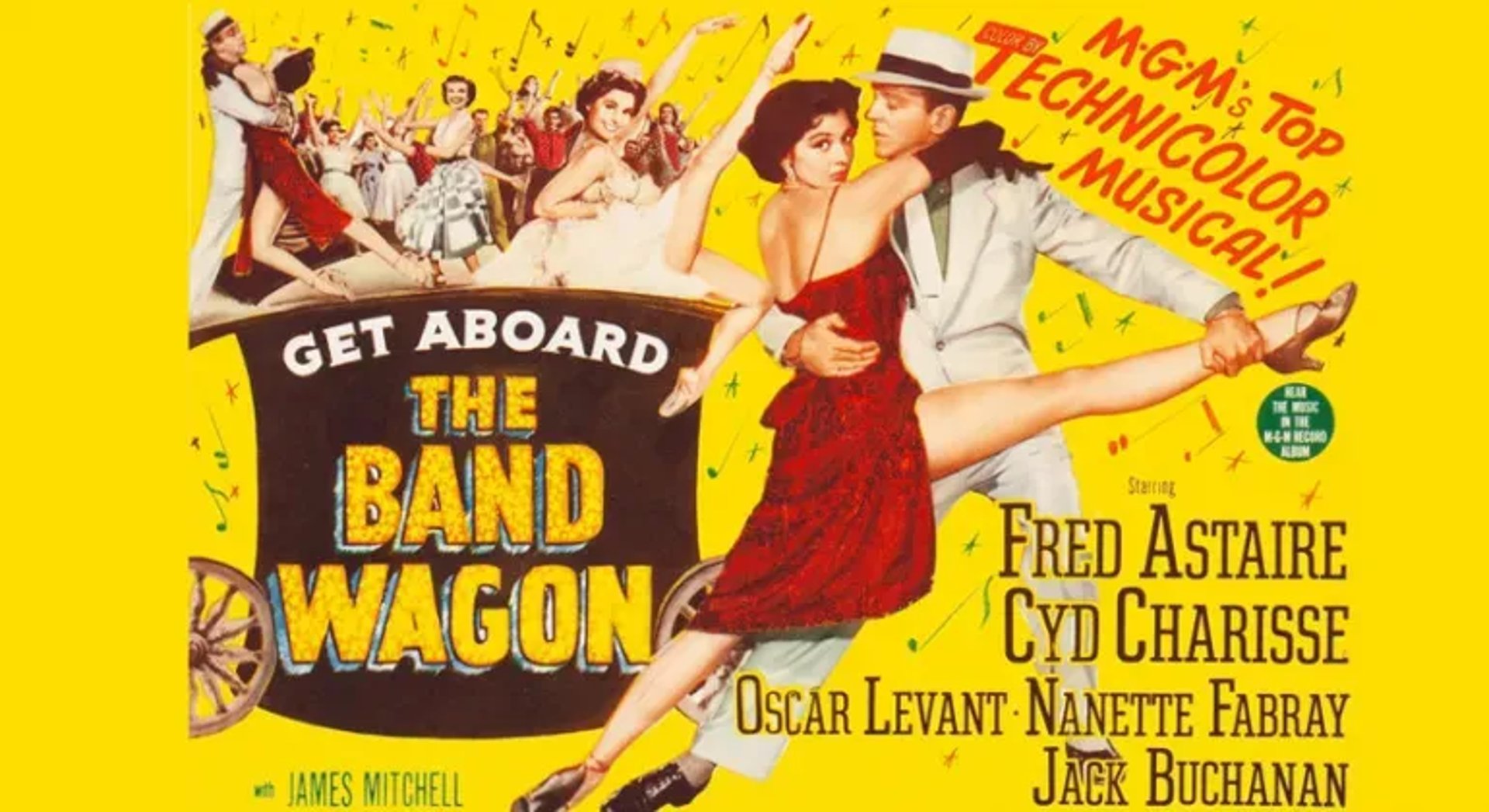
To this day, Fred Astaire and Gene Kelly remain the two great global icons of tap. They embodied the golden age of the Hollywood musical, from the late 1930s to the early 1950s.
Fred Astaire is known for his major Hollywood roles — Top Hat (1935), Second Chorus (1940), Royal Wedding (1951) — but beyond being a dancer of genius, Astaire also revolutionized the making of musical films by championing long, unbroken shots filmed in full body length.
Astaire conceived his choreographies not as mere entertainment numbers but as key moments in the story of the film. He elevated the narrative dimension of dance in cinema.
The Great American Songbook — the repertoire of the greatest American jazz standards — also owes much to Fred Astaire. Many songs were composed specifically for him ("Night and Day," "Cheek to Cheek," "The Way You Look Tonight," "They Can't Take That Away From Me") by the greatest composers of the era, before becoming standards covered by Sinatra, Sarah Vaughan, Dean Martin and other American singing stars.
Fred Astaire's style is one of a kind — a blend of ballroom dance, the classical training he studied as a child, and cabaret dance inherited from vaudeville and Broadway. Astaire embodies the "Class Act": a number combining visual prowess with refined elegance.
By contrast, Gene Kelly charmed audiences with his natural, accessible presence. For Americans, he embodies "the boy next door." In terms of tap style, Kelly brought a new athletic dimension that matched his sporty demeanor. He is known worldwide for his roles in An American in Paris (1951) and Singin' in the Rain (1952), which have become cinematic classics.
A gifted and charismatic dancer, Gene Kelly was first and foremost a great filmmaker. He took part in every stage of production on his films — as choreographer, director and producer
Hollywood's Golden Age — Fred Astaire and Gene Kelly

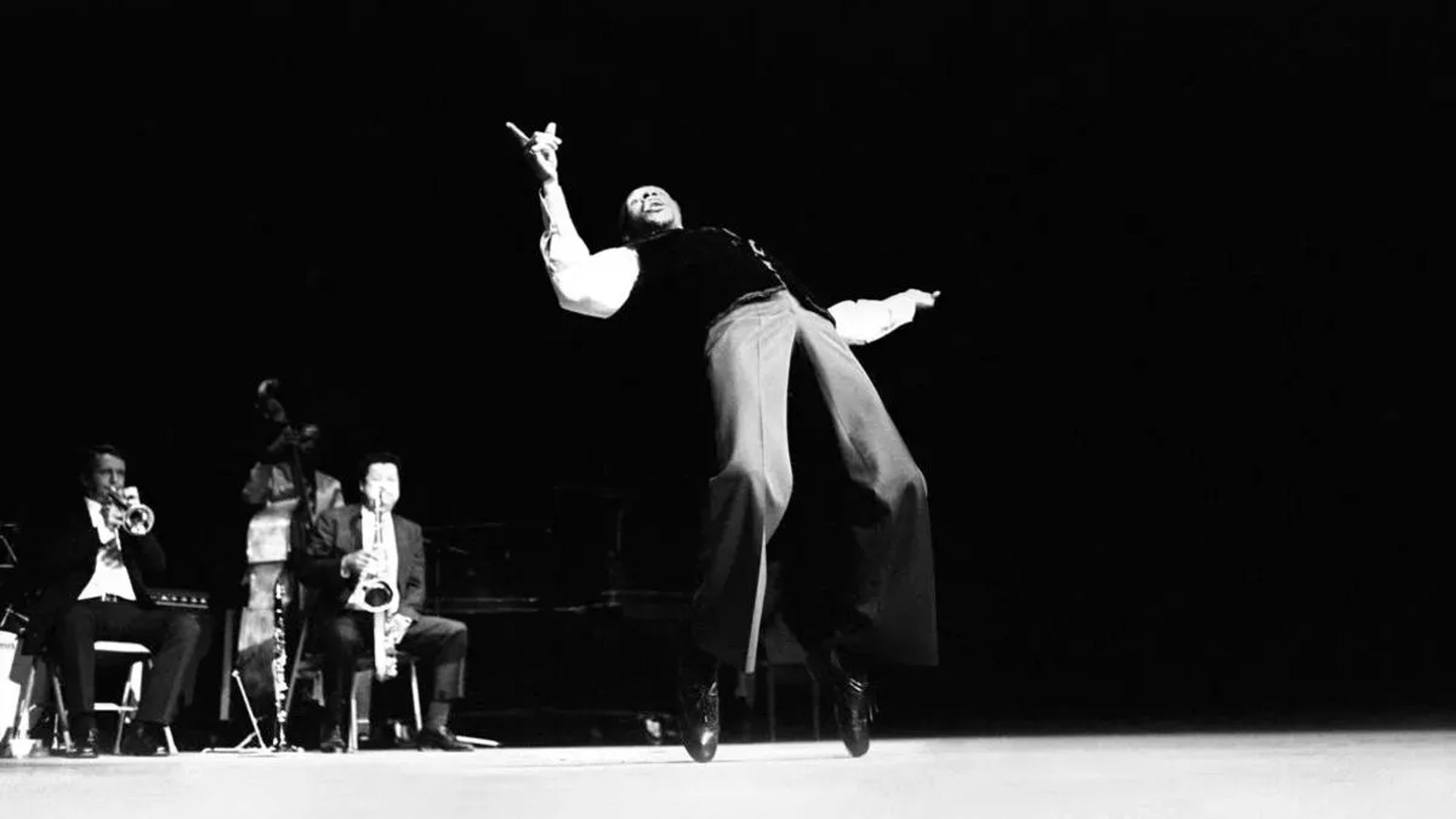
From 1840 to the end of World War II, tap dance was the dominant dance form in American popular culture. Minstrel shows, vaudeville, Broadway, Hollywood, nightclubs and touring big bands all featured star tap numbers. However, after World War II — around the 1950s — tap began to decline, and by the late 1950s it had virtually disappeared from American popular culture. Several developments contributed to this decline: the rise of rock 'n' roll, America's opening up to other dance forms in its films and musicals, and the emergence of small jazz combos playing bebop.
It was a difficult period for most American tap dancers, who found themselves struggling to find work.
Cholly Atkins is an emblematic example of tap dancers reinventing themselves during this era. After enjoying success with his partner Honi Coles and their famous "class act," the duo split and each pursued new artistic paths. Cholly Atkins joined Motown, where he was tasked with coaching young talents such as Diana Ross and the Supremes and Aretha Franklin. As a mentor and choreographer, he deeply influenced the evolution of the American music industry. As one example, we owe to him the very presence of a stage full of backing dancers at the typical modern concert. Other tap dancers were not so lucky as Coles and Atkins, and vanished into obscurity.
Some dancers, however, kept working through this "Death of Tap" period, searching for new ways to evolve the form. In the 1960s and 70s, Baby Laurence emerged from the fading world of tap by performing at jazz festivals. He approached tap like an instrumentalist — trading measures with other musicians on stage and using extensive improvisation. He coined the term Jazz Tap and worked to have tap recognized as a true instrument. For him, the tap dancer was no longer a mere entertainer, but a musician.
The Death of Tap — 1950s and 60s


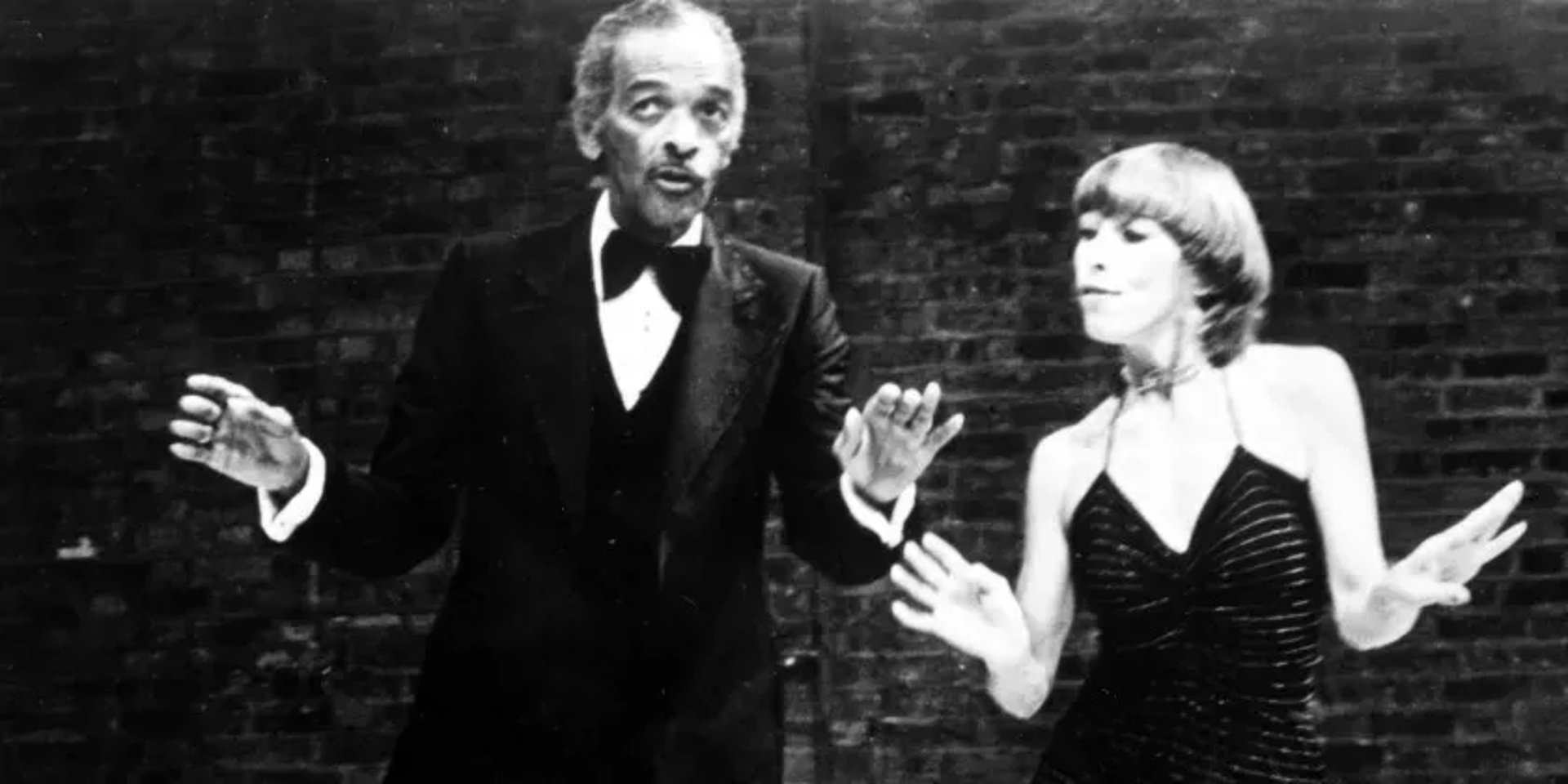
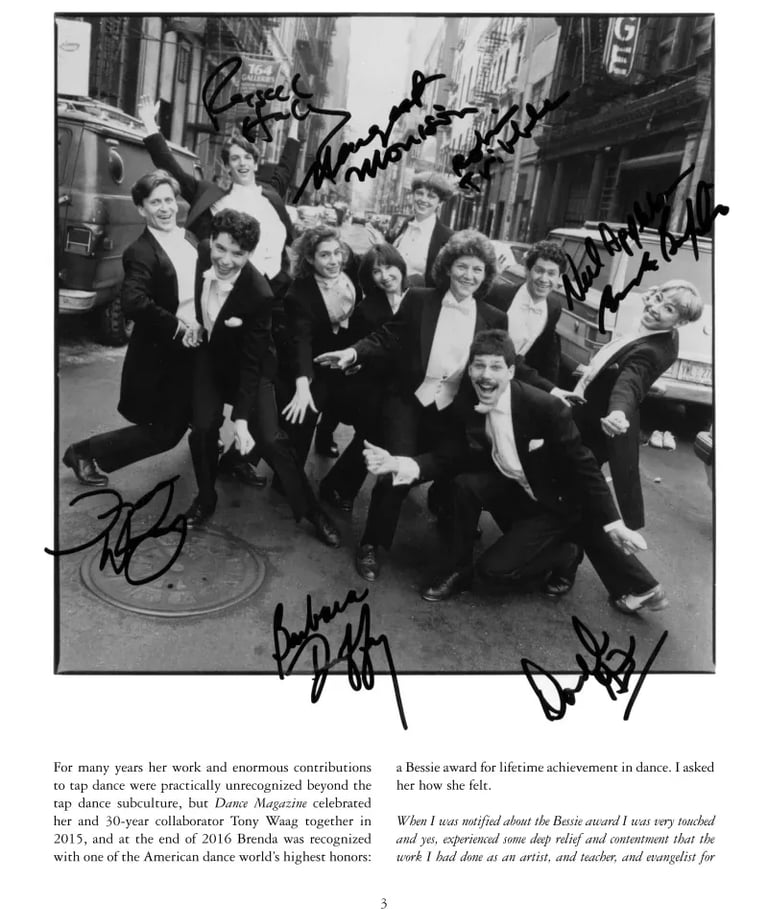
In the late 1970s came the Renaissance of Tap, driven by a small community of women rooted in modern dance. They began to rehabilitate the teaching of tap — a discipline they had practiced when young but had abandoned to study ballet and modern dance. They rediscovered a passion for this dance form and asked some of the forgotten Black masters of tap to teach them. Among the women behind this rediscovery movement were Brenda Bufalino, Lynn Dally and Linda Sohl-Ellison.
These women traded high heels and sequined dresses for flat shoes and trousers. It was feminism applied to tap — and it would change the way women danced, choreographed and presented themselves on stage.
The Renaissance of Tap — Women Take the Stage
Progressive and driven by a thirst for legitimacy, they wanted to move tap from the status of pop entertainment to that of a genuine art form. They founded the first tap dance companies, aiming for the same legitimacy as any other dance company. They also launched the first tap concerts and Tap Festivals, where their mentors performed and were rediscovered with joy by audiences. Thanks to these mentors, the new generation reconnected with the tap heritage. It was at this moment that tap began to gain a respectability it had never had before. Thanks to festivals attended by international participants, the practice of tap dance began to spread across the world. A new scene emerged, welcoming artists from every continent.
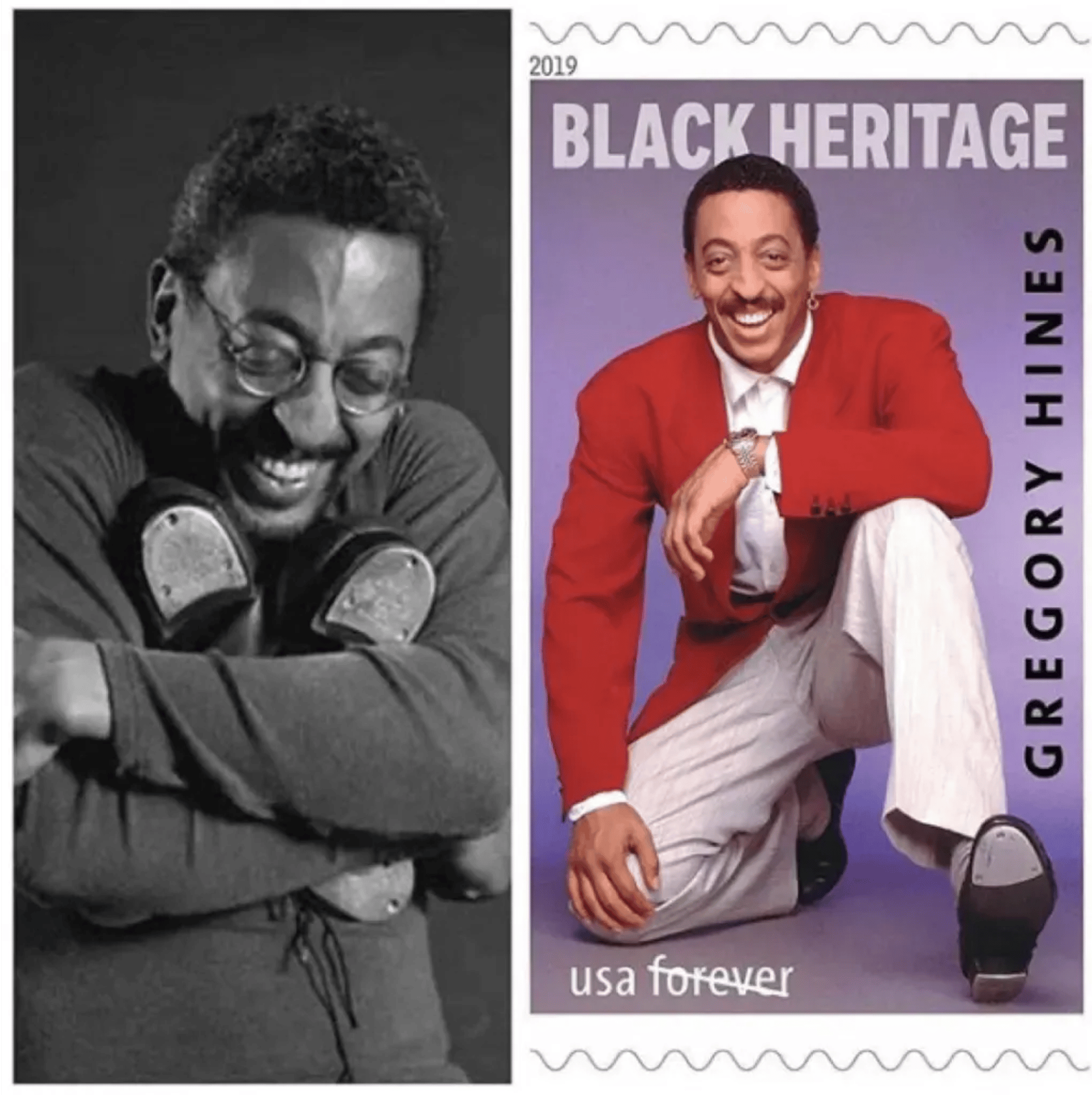
The Renaissance of Tap was also embodied by a man named Gregory Hines, who rose to fame on Broadway in the late 1970s. Hines and his brother Maurice had been trained in New York by some of the old tap legends. Gregory Hines' career on Broadway and in film earned him numerous awards (Emmys, Tonys, and more). He was the face of tap dance in the United States and abroad until his death from pancreatic cancer in 2003.
In the 1970s and 80s, Hines transformed tap by adapting his style to the music and fashion of the era. He made tap accessible to a new generation who had not grown up watching tap on screen — a generation who thought tap was old-fashioned, an entertainment for their grandparents. Hines not only modernized the form but gave it the visibility only a major star can provide. He choreographed for the new tap companies emerging across the United States, sometimes headlined their dance concerts, and took great pleasure in reintroducing audiences to the old Tap Masters of tap's great era — Sandman Sims, Bunny Briggs and Steve Condos among them.
Hines played a decisive role in mentoring Savion Glover, the dancer who would take up his mantle as the icon of tap. Like Hines, Glover breathed new life into tap in the 1990s by dancing to hip-hop and making the form appealing to his own generation. European audiences may only know the sound of Savion Glover, since he is the one behind the soundtrack of the animated film Happy Feet (2006).
This Renaissance of Tap period spans from the late 1970s to the early 2000s, ending with Gregory Hines' death in 2003.
The Modern Icons — Gregory Hines and Savion Glover
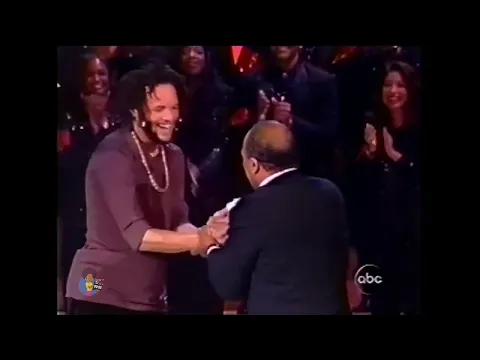

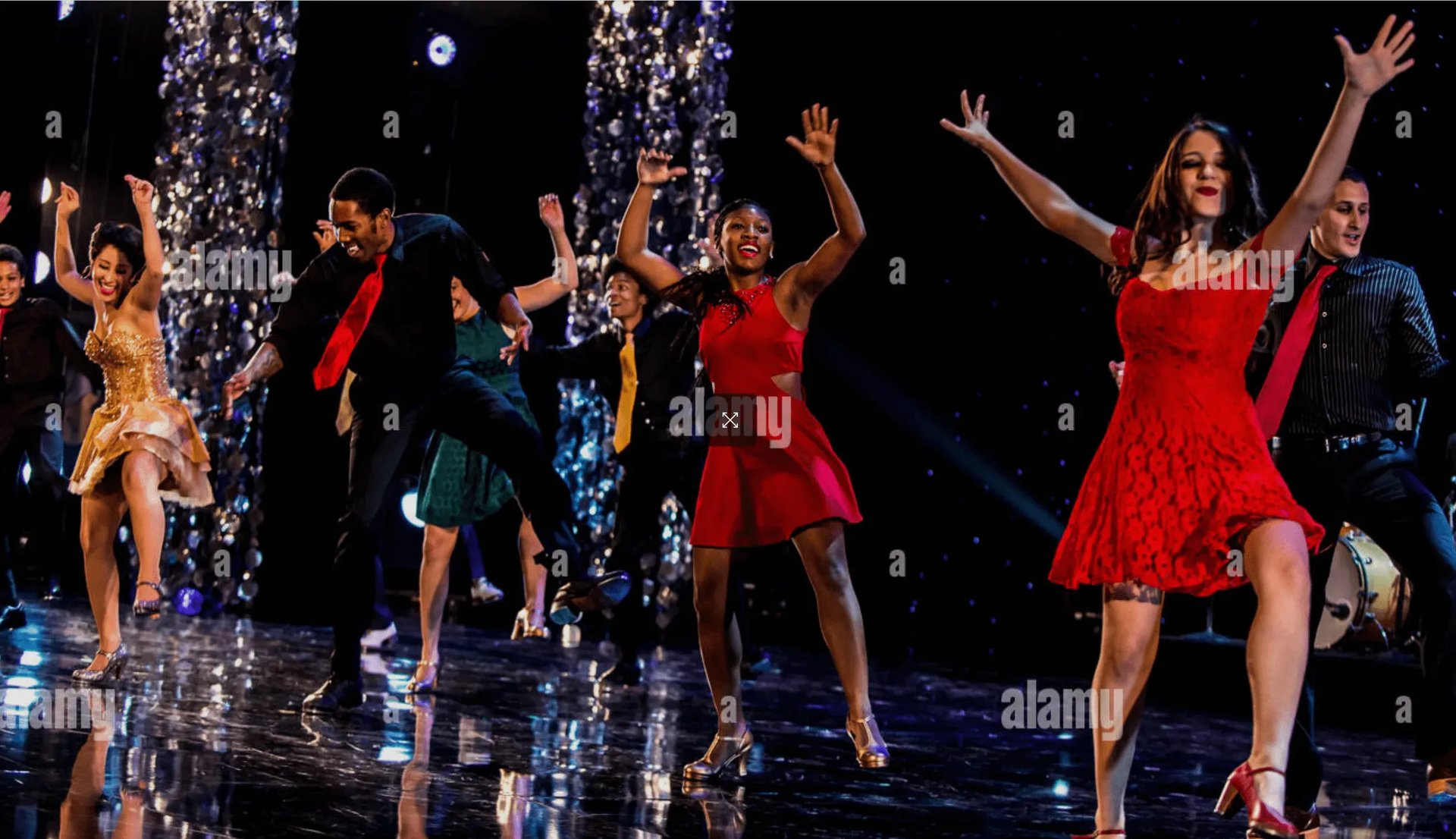
At this point, we enter the current period of tap — so it is much too early to identify how our era will shape the future of the form. Modern tap dancers are the heirs of everything that came before them: Bill Robinson's swing, John Buabbles' rhythmic complexity, Baby Laurence's musicality, Gregory Hines' modernization of the form, the feminism of Bufalino, Dally, Sohl-Ellison and their contemporaries — and their innovation of tap companies, concerts and festivals. The fight against racism and negative stereotypes of Black people has also run through the entire history of tap. Tap is deeply tied to the history of the United States. It has been a reflection of American popular culture — and it has also transformed it.
Author's Notes
Note — Tap dancers love debating the history of tap and can be upset by the omission of certain names. George Primrose, Charles Durang, Daddy Rice, Williams & Walker, Aida Overton Walker, Greenlee & Drayton, the Whitman Sisters, Hal Le Roy, Ruby Keeler, Busby Berkeley, Ann Miller, Eleanor Powell, Cora La Redd, Jeni Le Gon, Jimmy Slyde, Buster Brown, Chuck Green, Teddy Hale, Arthur Duncan, the Nicholas Brothers, the Condos Brothers, the Four Step Brothers, Shirley Temple and many other wonderful tap dancers of the past all have their place in the history of tap. Heather Cornell, Dianne Walker, Fred Strickler, Sam Weber, Anita Feldman, Camden Richman and other talented and devoted dancers from the Renaissance period also belong in that history. Younger dancers currently on the scene — Dormeshia Sumbry-Edwards, Ayodele Casel, Jason Samuels Smith, Max Pollak, Michelle Dorrance, Sarah Reich, Cartier Williams, to name a few — are all marvelous dancers who will also earn their place in tap history. No offense meant to any other wonderful contemporary tap dancers. Some may also be surprised that Fred Astaire and Gene Kelly receive only a brief mention in a serious discussion of tap history. This piece is intended to evoke the key periods of tap history through some of its most emblematic figures.
Note — French readers may feel distant from this discussion of tap history, but a few connections are worth considering. New Orleans is at the center of the evolution of American popular culture — and New Orleans is, of course, a French city. The Creole population of New Orleans sent its children to France to study music, art, dance and culture. These children returned to New Orleans with a broadened cultural background. It is therefore no surprise that many of the early jazz musicians and composers were Creoles. France also plays a role in the preservation of American popular culture: for decades — especially after World War II — France became a refuge for Black musicians like Count Basie and Black dancers like the Nicholas Brothers, who found themselves treated better abroad than at home. Not to mention Josephine Baker, whom the French know well.
Note — This piece is based on the history course that tap dancer Steve Zee teaches at California State University, Long Beach.
Today and Beyond


Documentaire sur l'histoire du tap dance

Ready to make some noise ?
Rejoignez-nous pour découvrir l'art du Tap Dance dans une ambiance joyeuse et inspirante.